

What Is a Voided Check and How Is It Used?
- 6 min. Read
- Last Updated: 02/06/2026

Table of Contents
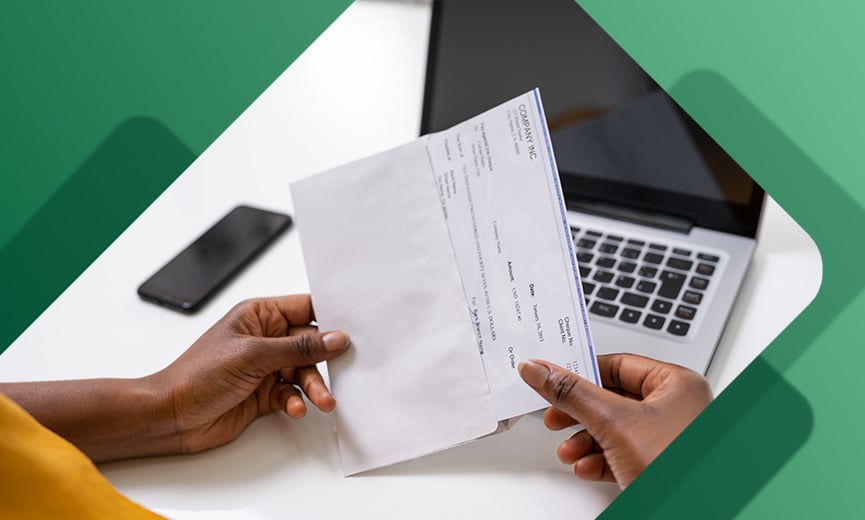
A voided check is a check marked with "VOID" to prevent payment while providing banking information for direct deposit and electronic payments. It contains routing and account numbers needed to establish electronic fund transfers.
What Is a Voided Check?
A voided check is a blank check marked "VOID" across the front to prevent payment while providing banking information for direct deposit and electronic payments. Write "VOID" in large, clear letters using permanent ink — visible enough to prevent processing but without obscuring the routing and account numbers at the bottom.
What it contains:
- Routing number (9 digits, bottom left)
- Account number (8-12 digits, follows routing number)
- Your name, address, and bank information (top)
- Date, payee, amount, signature, memo should be left completely blank except for "VOID."
Note: Some employers or organizations may not accept starter checks (temporary checks without your name pre-printed). If you're setting up direct deposit, confirm whether a starter check is acceptable or if you need to wait for your personalized checks to arrive.
Voided Check Alternatives
If you don't have checks, several alternatives work just as effectively for providing banking information:
- Bank Letter: Request official letter with routing/account numbers on bank letterhead (usually free).
- Deposit Slip: Contains same routing/account numbers.
- Online Banking Document: Download/print account details from banking app.
- Direct Entry Form: Manually enter numbers in employer's secure portal.
- Pre-Printed Deposit Form: Some employers provide forms for manual entry.
What Is a Voided Check Used For?
Voided checks serve several important purposes in personal and business banking, with direct deposit setup being the most common application.
Setting up direct deposit with a voided check remains the standard method for employers to establish payroll payments. When you provide a voided check to your employer's payroll department, they use the banking information to route your paycheck directly to your account on payday. This process eliminates paper checks, reduces the risk of lost or stolen payments, and gives employees immediate access to their funds.
Voided checks serve multiple purposes beyond direct deposit setup:
- Automated Clearing House (ACH) Payments: Automatic bill payments, loan repayments, subscriptions.
- Electronic Fund Transfers: Account-to-account transfers, investment contributions.
- Vendor Payments: Business payment authorization.
- Online Bill-Pay: Utility, insurance, service provider payments.
How To Void a Check
Creating a voided check requires just a few simple steps, but doing it correctly ensures the banking information remains readable and usable.
- Start with a blank check (don't fill in any fields)
- Write "VOID" in large letters across the front using permanent ink
- Keep it clear enough to read routing/account numbers at bottom
- Provide original or clear copy/scan to employer
Digital submission is becoming more widely accepted. Many employers accept photos through secure portals — ensure clear, well-lit image showing all banking info.
What Employers Should Know About Voided Checks
Managing employee banking information comes with specific responsibilities and compliance considerations that employers must address.
When To Request Voided Checks From Employees
Request voided checks at these key times in the employment lifecycle:
- During employee onboarding before first paycheck
- When employees change banks or update direct deposit info
Secure Handling of Employee Banking Information
Employee banking information is sensitive data that requires proper security measures:
- Accept through secure channels (portals, encrypted email, locked box)
- Store in locked filing cabinets or encrypted digital systems
- Restrict access to payroll processing staff only
- Train staff on data handling and confidentiality
- Review and revoke access when employees change roles
Onboarding Process and Direct Deposit Enrollment
Integrate direct deposit enrollment seamlessly into your hiring workflow:
- Integrate direct deposit enrollment into standard workflow
- Provide clear submission instructions
- Offer multiple submission methods
- Verify banking information before first pay date
- Implement confirmation step to catch data entry errors
Data Privacy Compliance Considerations
Payment Card Industry Data Security Standard (PCI DSS) and other data privacy regulations may apply to how you handle employee banking information. While voided checks themselves don't fall under PCI DSS, the overall handling of financial data requires security measures.
Implement appropriate safeguards such as:
- Encrypt digital storage systems
- Securely dispose of physical documents
- Conduct regular security audits
- Follow PCI DSS guidelines for financial data handling
What To Do When Employees Don't Have Checks
Not everyone has traditional checkbooks, so provide alternative options:
- Accept bank letters, deposit slips, or digital screenshots
- Allow secure online portal entry
- Provide direct deposit authorization form
- Verify information with employee's bank when possible
How Paychex Can Help
Managing direct deposit enrollment and handling sensitive banking information requires secure systems and efficient processes. Paychex simplifies these responsibilities with comprehensive payroll services that streamline direct deposit setup while maintaining the highest security standards. Contact us today to learn how we can streamline your payroll processes.
Voided Check FAQs
-
Why Do Employers Need a Voided Check?
Why Do Employers Need a Voided Check?
Employers need a voided check to obtain your bank routing number and account number for setting up direct deposit payroll. The voided check provides accurate banking information while preventing the check itself from being cashed.
-
Can I Use a Deposit Slip Instead of a Voided Check?
Can I Use a Deposit Slip Instead of a Voided Check?
Most employers accept deposit slips as an alternative to voided checks since they contain the same routing and account numbers. Contact your employer to confirm they accept deposit slips before providing one.
-
Is It Safe To Provide a Voided Check?
Is It Safe To Provide a Voided Check?
Providing a voided check is generally safe because the word "VOID" prevents anyone from using it as payment, and you're only sharing information needed to deposit money into your account, not withdraw it. However, always provide voided checks through secure channels and only to trusted employers or service providers.
-
How Do I Void a Check if I Don’t Have a Checkbook?
How Do I Void a Check if I Don’t Have a Checkbook?
If you don't have checks, request a bank letter with your account details from your bank, use a deposit slip, or ask your employer if they accept direct entry of banking information through a secure online portal. Many employers now offer digital alternatives that eliminate the need for physical checks.
-
Can I Email a Picture of a Voided Check?
Can I Email a Picture of a Voided Check?
Many employers accept clear photos or scanned images of voided checks, though you should confirm your employer's policy and use encrypted email or secure file transfer methods. Ensure the image is well-lit and shows all banking information clearly before sending.
-
Do Banks Still Do Voided Checks?
Do Banks Still Do Voided Checks?
Banks don't "do" voided checks, as voiding a check simply means writing "VOID" across a blank check from your own checkbook. If you don't have checks, your bank can provide alternative documentation such as a letter with your routing and account numbers on official letterhead.
Tags