

What Is a Work Permit? Employer Guide to Work Authorization
- 6 min. Read
- Last Updated: 07/27/2026

Table of Contents
Hiring a foreign national or a first-time teenage employee both raise the same underlying question: is this person authorized to work? Employers are responsible for verifying work authorization using Form I-9l. Getting this step right protects a business from significant compliance risk later.
What Is a Work Permit?
A work permit is an official document that authorizes an individual to work legally in the United States. The term covers two distinct situations: federal work authorization for foreign nationals, known as an Employment Authorization Document (EAD), and state-issued permits required for minors entering the workforce.
An EAD, issued by U.S. Citizenship and Immigration Services (USCIS), gives eligible foreign nationals the legal right to work in the country. The card includes an expiration date, and employers must track it closely.
In the minor employment context, a work permit refers to a state-issued document, sometimes called an employment certificate, that a young worker needs before starting a job. Requirements vary by state and by the minor's age.
In both cases, work authorization is a separate concept from immigration status. A person can hold valid immigration status without automatic permission to work, which is why the verification step matters so much for employers.
Work Permit vs. Work Visa
Employers sometimes use "work permit" and "work visa" interchangeably, but they serve different functions.
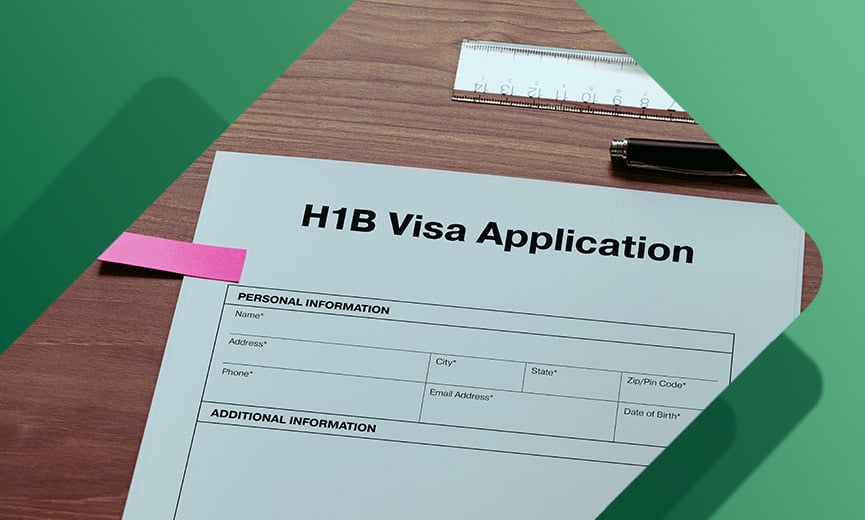
- A Work Visa (H-1B, L-1, and similar categories) grants permission to enter the United States for employment purposes.
- An EAD authorizes the approval to work once someone is here.
Some visa holders receive automatic work authorization tied to their visa status, while others must apply separately for an EAD. The employer takeaway is straightforward: verify the EAD or another acceptable List A document, not just the visa itself.
Who Needs a Work Permit?
Work permit requirements depend on a person's status and age.
- Foreign nationals without permanent resident status or a work-authorizing visa need an EAD. This group includes certain visa holders, asylum seekers, and DACA recipients.
- Minors, typically under 18 though the exact threshold varies by state, often need a state-issued work permit before starting a job.
- U.S. citizens and lawful permanent residents do not need a work permit, but they still must complete Form I-9 like every other new hire.
Whichever category applies, verification works the same way: employers complete Form I-9 for every new hire, and an EAD is a List A document that establishes both identity and work authorization. The Form I-9 guide covers the full process, acceptable documents, and retention rules.
Work Permit Expiration and Re-Verification
Work authorization is not always permanent, and employers need a plan for what happens when it expires.
- EADs and other time-limited authorizations expire. Employers must track expiration dates and re-verify before the authorization lapses.
- Allowing an employee to continue working after authorization expires is a federal violation. Building expiration tracking into onboarding is a common compliance best practice.
A proactive tracking process turns a compliance risk into a routine administrative task.
Work Permit FAQs
-
Do U.S. Citizens Need a Work Permit?
Do U.S. Citizens Need a Work Permit?
Adult U.S. citizens do not need a work permit. They still must complete Form I-9 like every other new hire, presenting acceptable documents to verify identity and employment eligibility.
-
What Is an EAD Card?
What Is an EAD Card?
An Employment Authorization Document (EAD) is a card issued by USCIS that gives eligible foreign nationals the legal right to work in the United States. It carries an expiration date and is verified on Form I-9.
-
What Happens if an Employee's Work Permit Expires?
What Happens if an Employee's Work Permit Expires?
Employment must stop once a work permit or EAD expires without re-verification. Continuing to employ someone without valid authorization exposes the employer to federal penalties.
-
Can an Employer Sponsor a Work Permit?
Can an Employer Sponsor a Work Permit?
Employers sponsor visa petitions, not work permits directly. USCIS is the agency that issues the EAD itself, based on the individual's eligibility category.
-
Can a Minor Work Without Parental Permission?
Can a Minor Work Without Parental Permission?
Generally, no. Most states require a parent or guardian signature as part of the minor work permit application, though the exact signature requirements vary by state.
-
What Is E-Verify and Is It Required?
What Is E-Verify and Is It Required?
E-Verify is a federal system that electronically confirms an employee's work eligibility against government records. It’s mandatory for federal contractors and in certain states, but it’s not required nationwide.
AI was used to assist in the creation of this content.
How Paychex Can Help
Keeping up with Form I-9 requirements, re-verification deadlines, and state-specific minor labor rules takes real effort to manage manually. Paychex helps employers build onboarding workflows that support keeping documentation accurate and expiration dates visible before they become a problem.
Tags