What Is a Paycard? How Payroll Cards Work for Employees and Employers
Paycards, also known as payroll cards, offer employers an alternative to paper checks and traditional direct deposit. In this video, learn what a paycard is, how payroll cards work, and why they're commonly used by unbanked and banked employees alike. Discover the benefits of payroll cards, including increased accessibility, wage payment flexibility, and enhanced security, along with potential drawbacks, compliance considerations, and how employers can decide if they're the right fit for their workforce.
Temas:
- 0:04 – What Are Paycards?
- 0:22 – How Do Employee Paycards Work?
- 0:49 – What Is an Unbanked Employee?
- 1:19 – What Are The Pros and Cons of Payroll Cards?
- 1:49 – Are Paycards Right for My Business?
<p id="transcript-button">View Transcript</p>
What Are Paycards?
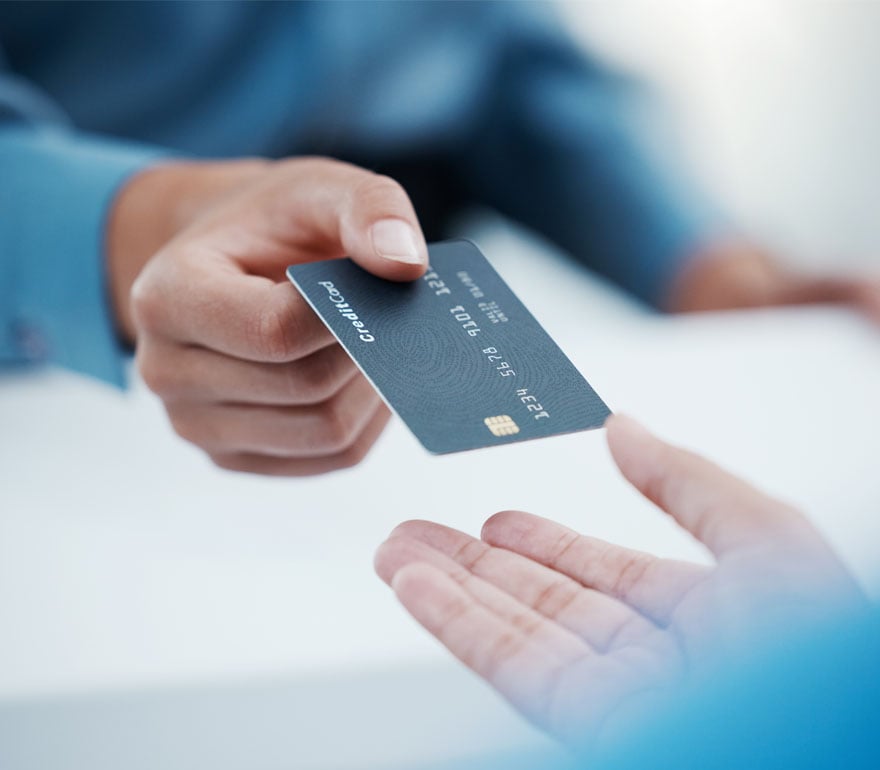
0:09 Paycards, also known as payroll cards, are similar to plastic debit cards, yet offer an alternative method for wage disbursement, which is particularly beneficial for employees without bank accounts for direct deposits.
How Do Employee Paycards Work?
0:28 Employers typically collaborate with third-party providers to create payroll card programs. In this system, employees receive payroll cards instead of traditional paychecks.
0:36 These cards act similarly to debit cards, enabling purchases, bill payments, and cash withdrawals, but the link to the bank exists between the paycard vendor and the bank, rather than the employee and the bank.
What Is an Unbanked Employee?
0:53 An unbanked employee is someone who does not have a traditional bank account with a financial institution.
0:59 This means they don't use services like checking or savings accounts, and they often rely on alternative financial services, such as check-cashing outlets, payday loans, or prepaid debit cards to manage their finances.
1:11 Unbanked employees may face challenges in receiving direct deposits from employers and might incur additional fees for cashing checks or accessing their funds.
What Are The Pros and Cons of Payroll Cards?
1:24 Payroll cards add a layer of security with the requirement of a PIN, are available for all employees disregarding their bank relationship, and often cost less for employers than issuing paper checks.
1:35 In terms of downsides, however, employees may face specific paycard-related fees, and employers must stay informed of regulatory and legal matters related to payroll cards, which could take time if you don't work with a trusted payroll management system.
Are Paycards Right for My Business?
1:53 Understanding the differentiation between a payroll card and a debit card is crucial. While they may seem synonymous, paycards are generally offered by a third party provider and are not directly linked to an employee's bank account, like a debit card. Paycards also do not allow for overdrafts, limiting usage to only loaded funds. Employers can incorporate a payroll card program that allows overdrafts, yet this generally isn't recommended due to associated fees.
2:19 The primary alternatives to paycards are paper checks and direct deposits into an employee's bank account. Ideally, employers should present all available options and explain their distinct advantages in order for employees to make educated decisions about their pay.
2:34 Paycards are not solely for unbanked employees. Banked employees can utilize paycards to allocate a specific wage portion for budgeting purposes or to share funds with family members.
2:45 Overall, paycards can be a useful supplementary tool for payroll solutions. Start exploring your payroll and wage disbursement options today with Paychex.
Explore Flexible Employee Payment Options
Learn how paycards, direct deposit, and other payroll solutions can help support your workforce while improving payroll efficiency and employee access to wages.